
Observe
Each module opens with unedited field footage: a plaza at 8am, the same plaza at 6pm, a park on a weekday versus a weekend. You watch before you read any interpretation, so your own eye develops alongside the theory.
A course in urban observation
This course looks closely at plazas, parks, and pedestrian streets across dozens of cities to ask a simple question: why do some spaces fill with people while others, built with similar intentions, stay quiet. The answers are rarely about budget.
View the curriculum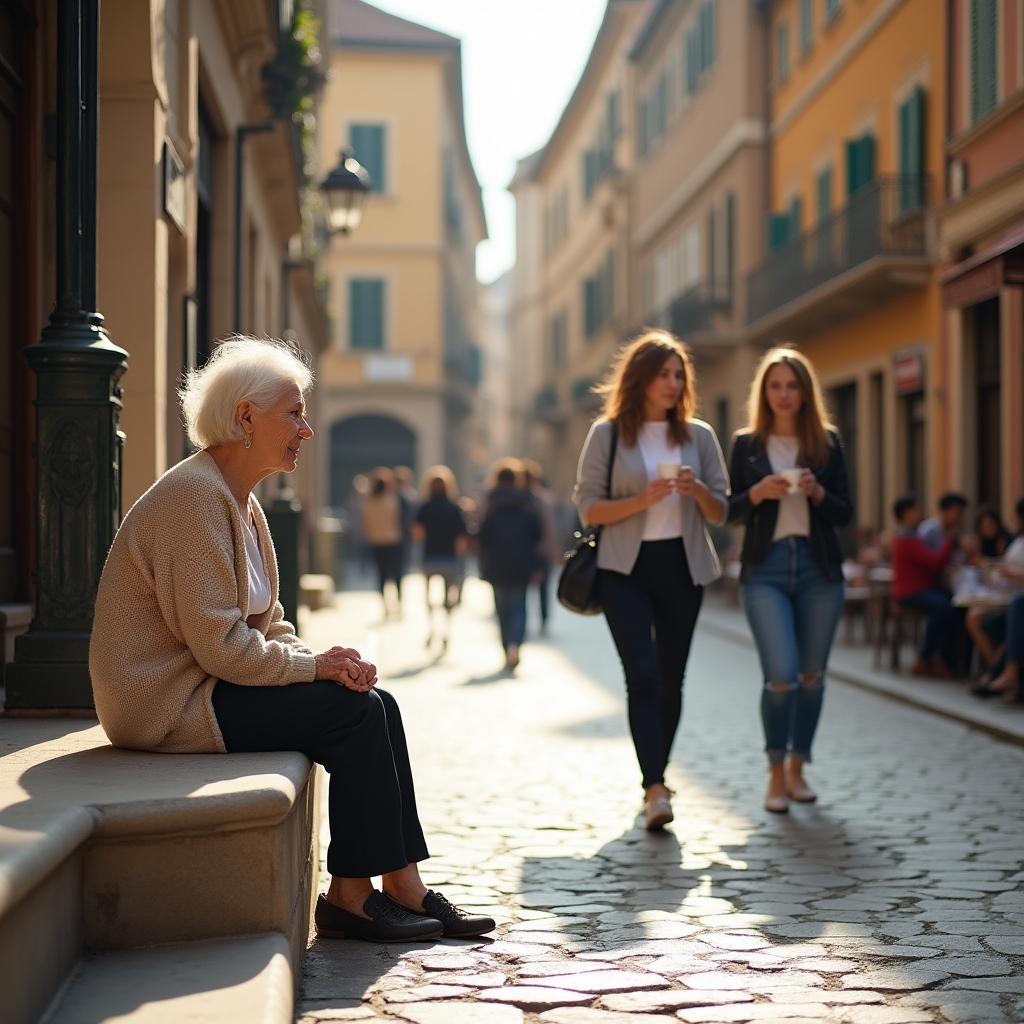
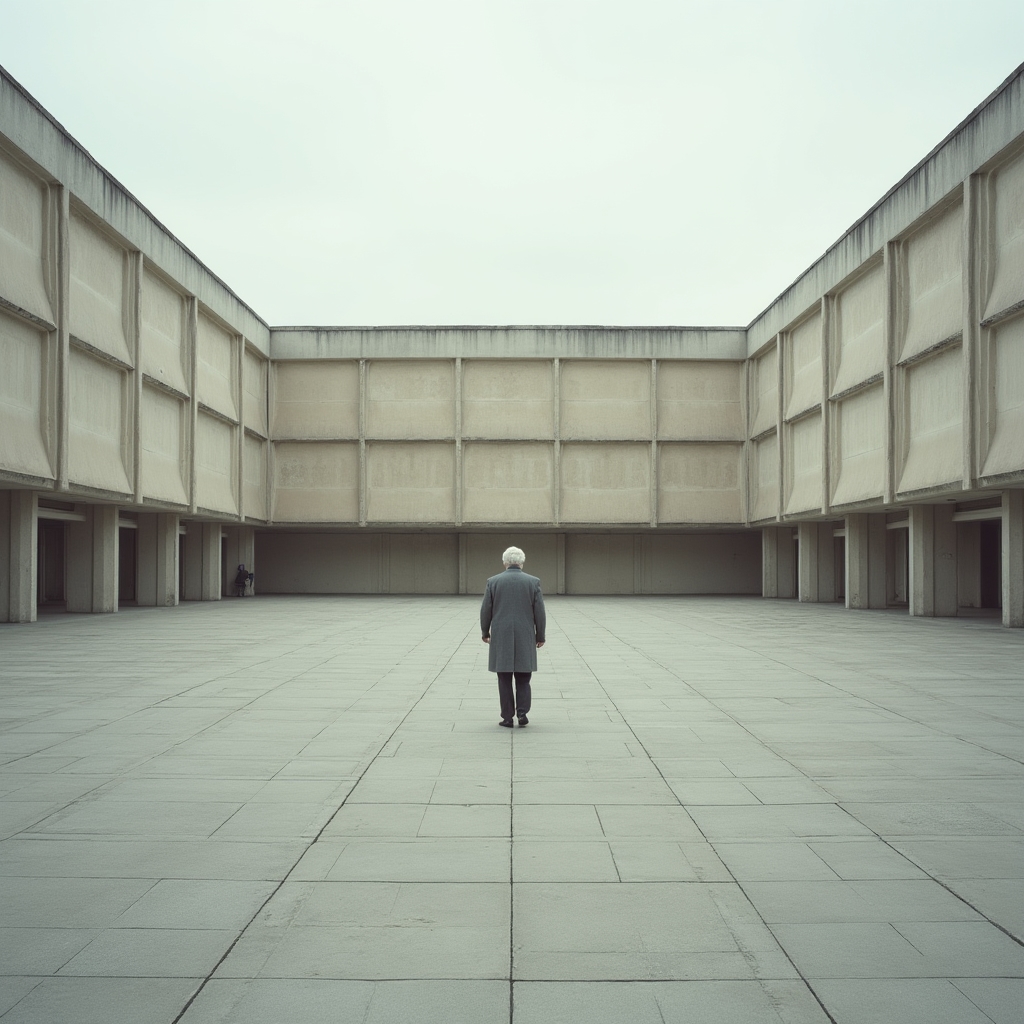
Many public spaces are designed with genuine care and still end up underused. Others, built cheaply and almost as an afterthought, become the busiest corners of a city. This gap between intention and outcome is where the course spends most of its time. Rather than offering a checklist, it walks through recorded observation, mapping exercises, and comparative footage from cities that took different approaches to the same basic problem: how do you make people want to stay somewhere.
The material draws on decades of public life research, but it is presented for people who have never studied urban design formally. If you have ever wondered why one bench is always taken while another sits empty a few metres away, this course was built with that question in mind.
Each module opens with unedited field footage: a plaza at 8am, the same plaza at 6pm, a park on a weekday versus a weekend. You watch before you read any interpretation, so your own eye develops alongside the theory.
You learn the frameworks researchers actually use: sun and shade mapping, sightline diagrams, edge condition studies, and the twenty-minute rule for informal seating. These are applied to the footage you already watched.
The final stage asks you to study a public space near where you live using the same method, note what you observe, and share it in the course discussion for comparison against other students' local spaces.
Plazas, parks, and pedestrian streets behave differently and reward different questions. The course keeps them separate for most of the term before comparing them directly.
A plaza has no built-in activity of its own; it succeeds or fails on the strength of its edges, seating, and sun exposure. We compare hardscape squares that stay busy through the day with visually similar ones that empty out after lunch, and look closely at why.
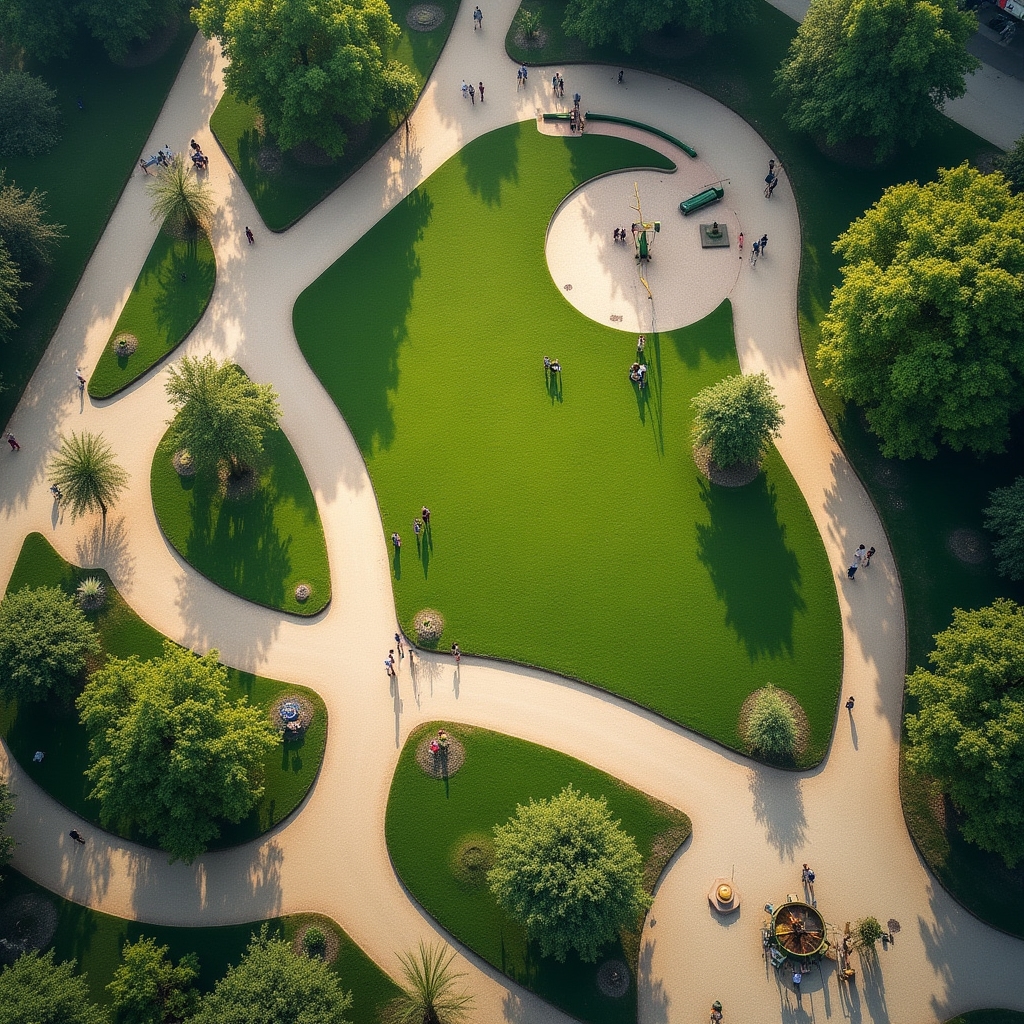
Parks bring their own complications: paths that cut corners, maintenance budgets that shape which areas stay usable, and the tension between quiet retreat and active recreation. This module looks at neighbourhood parks alongside larger civic ones.
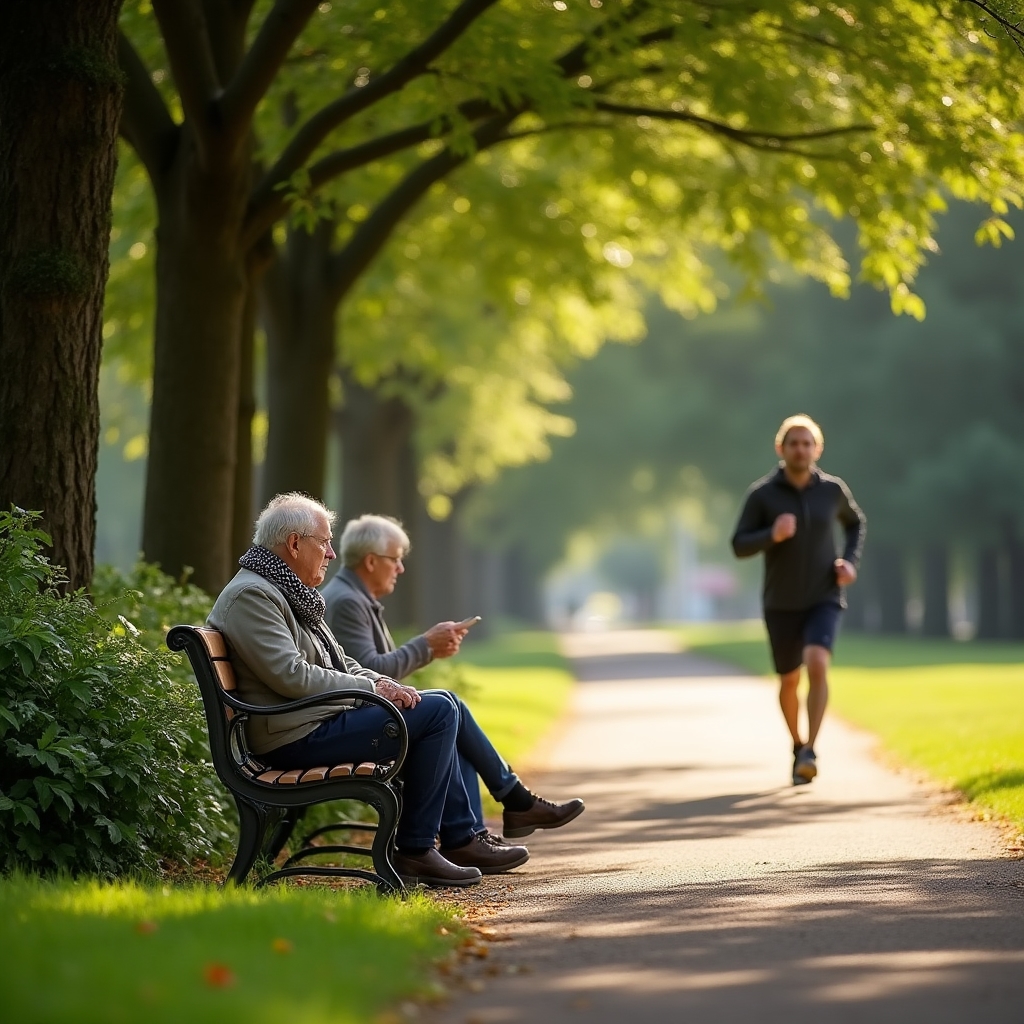
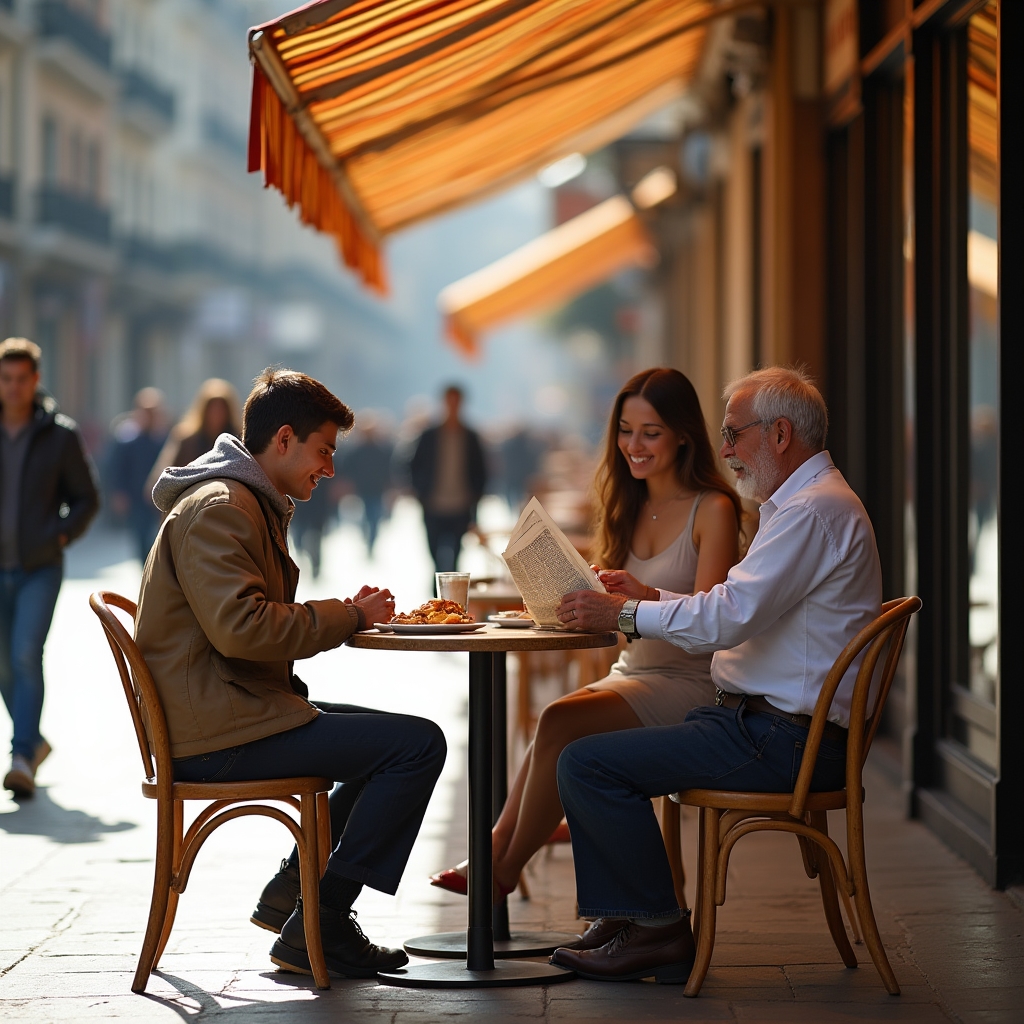
Streets closed to cars behave differently from plazas because people are usually moving through rather than settling in. We examine how retail frontage, street furniture, and event programming change a through-route into a destination, and where that shift fails to happen.
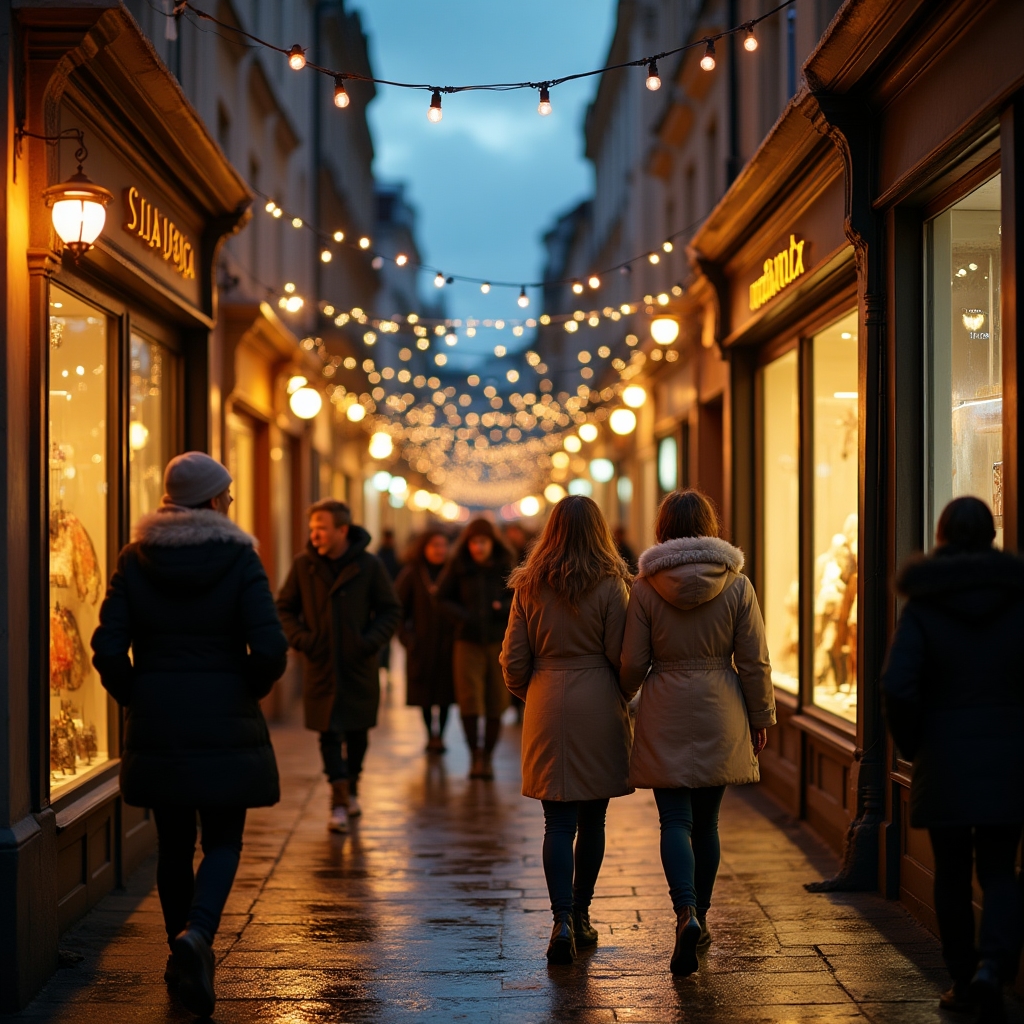
The final block pairs spaces from different cities that were designed with similar ambitions but reached different outcomes. Rather than declaring a winner, the material walks through the specific conditions, budgets, and decisions that produced the difference.
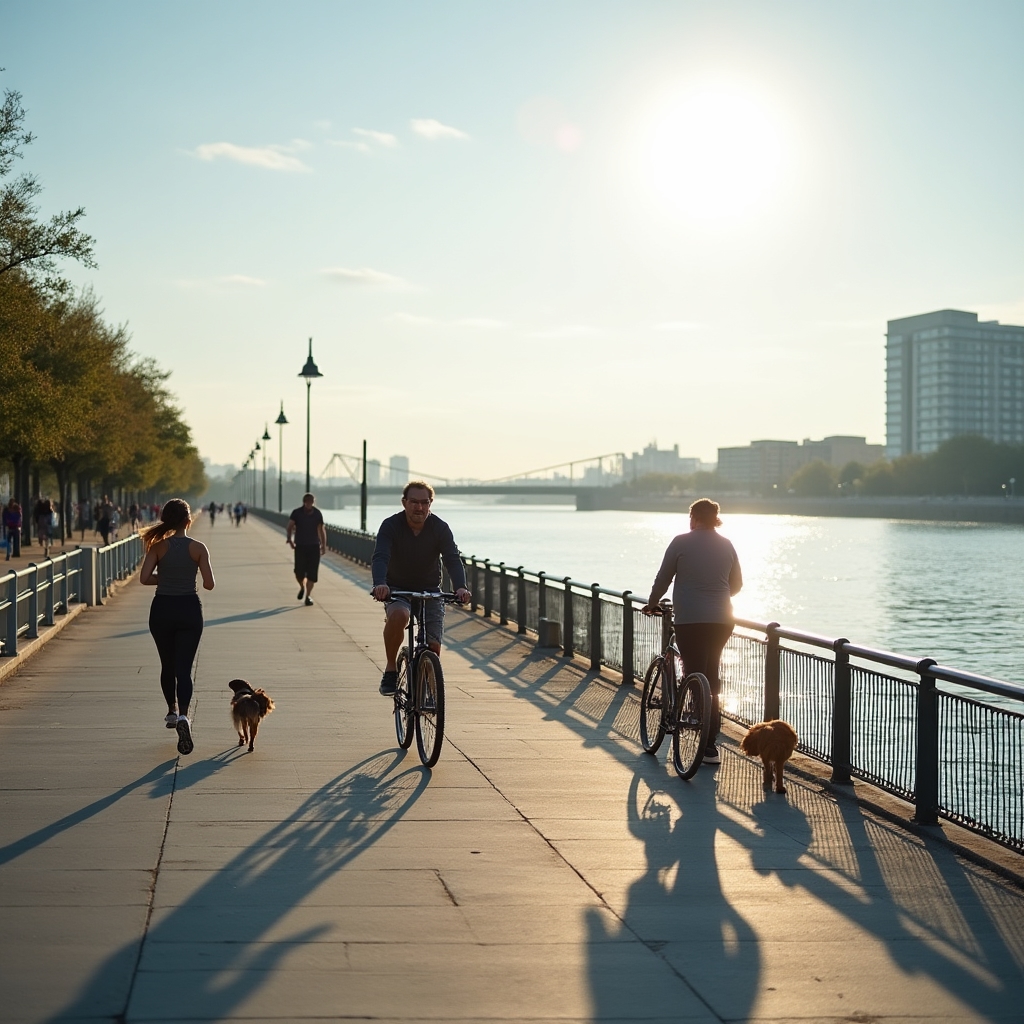
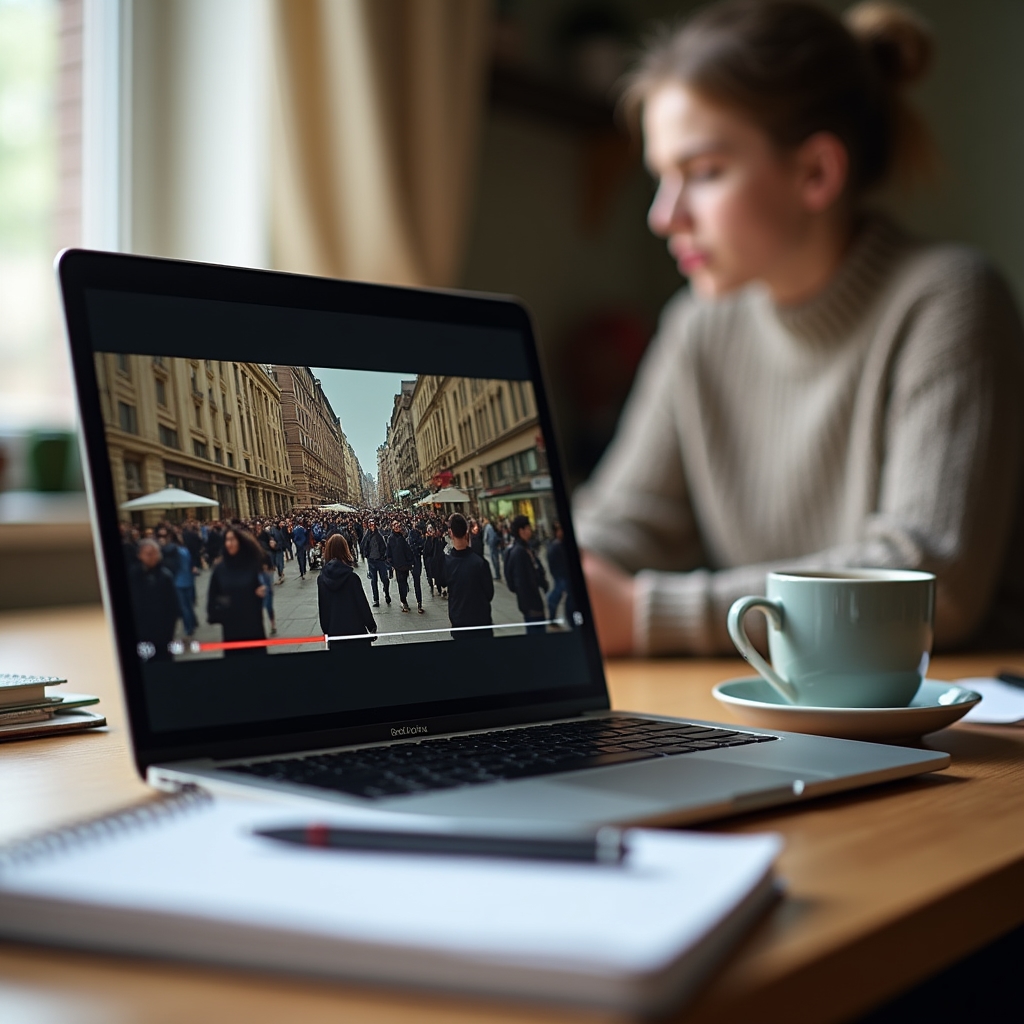
An introduction to observational methods used throughout the course, including how to record activity without influencing it and how to read a space's daily rhythm before drawing conclusions.
Explore module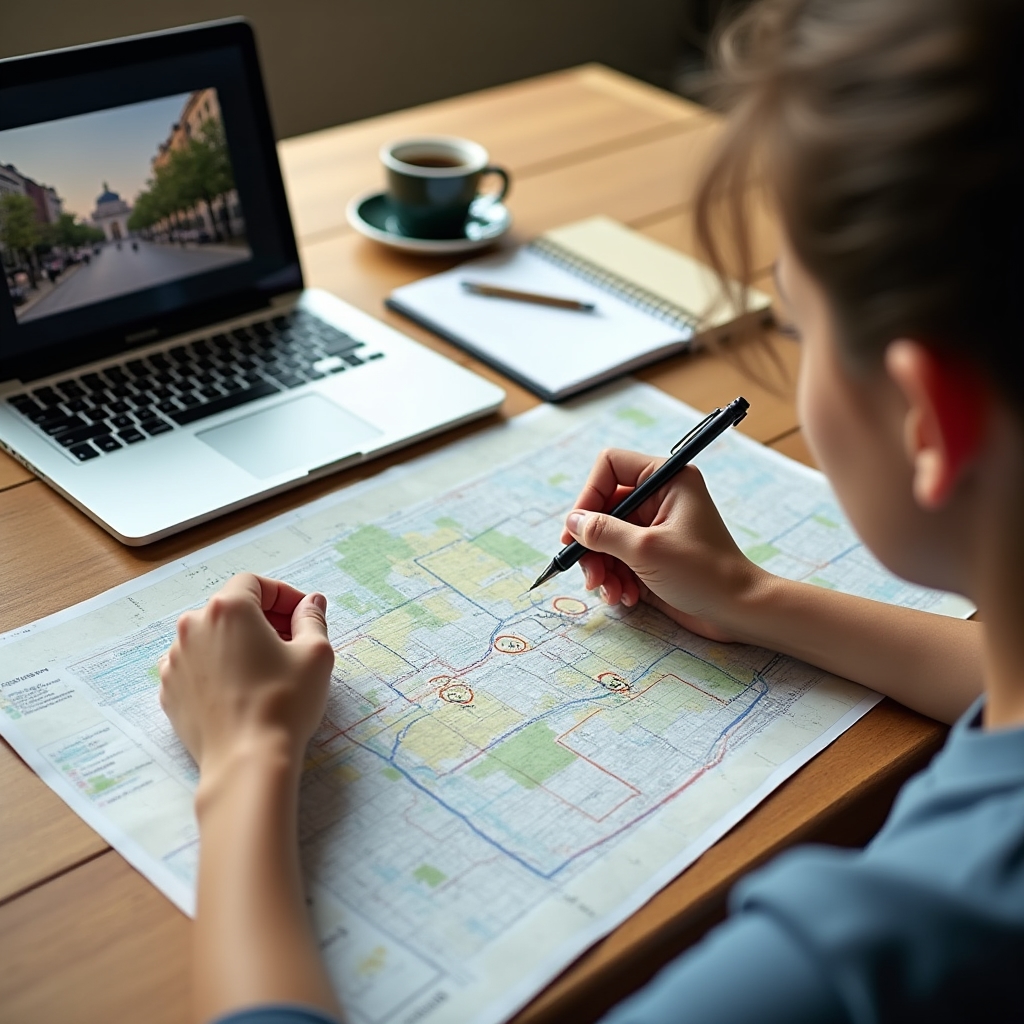
Why the buildings and businesses surrounding a plaza often matter more than the plaza itself.
Explore module
A closer look at conversion projects, from planning through to the first year of use.
Explore moduleRead through the full course outline, browse the recommended reading list, or get in touch with a question about the material. There is no pressure to enrol before you know what the course actually covers.